

A MINING disaster which ‘changed the course of history’ when 26 children lost their lives is still being taught in schools as far as Guernsey almost 200 years later - and local residents have been working hard to ensure the story is told for generations to come in Barnsley.
On July 4, 1838, a torrential downpour during a thunderstorm caused the stream running through Nabs Wood, Silkstone Common, to turn into a raging torrent, which poured into the bottom of the ‘dayhole’ pit at House Carr Lane, trapping and drowning the youngsters who were aged between seven and 17.
There were several such ‘dayholes’ in the area, with deep mines burrowed into the ground in later years.
The disaster shocked the nation, including the young Queen Victoria, and led to a bill being put through Parliament in 1842 by Lord Ashley - later Lord Shaftesbury - which prevented women and children from working down mines.
Up to this act being made law, they had been employed as hurriers, helping to get mined coal out of the pits, and trappers, younger children who opened and shut the ventilation wooden doors in the pit tunnels.
They would work in complete darkness as candles cost too much money and could cause an explosion with the firedamp - the name of the gases found in the mines.
Children did the work because they cost a lot less than adults.
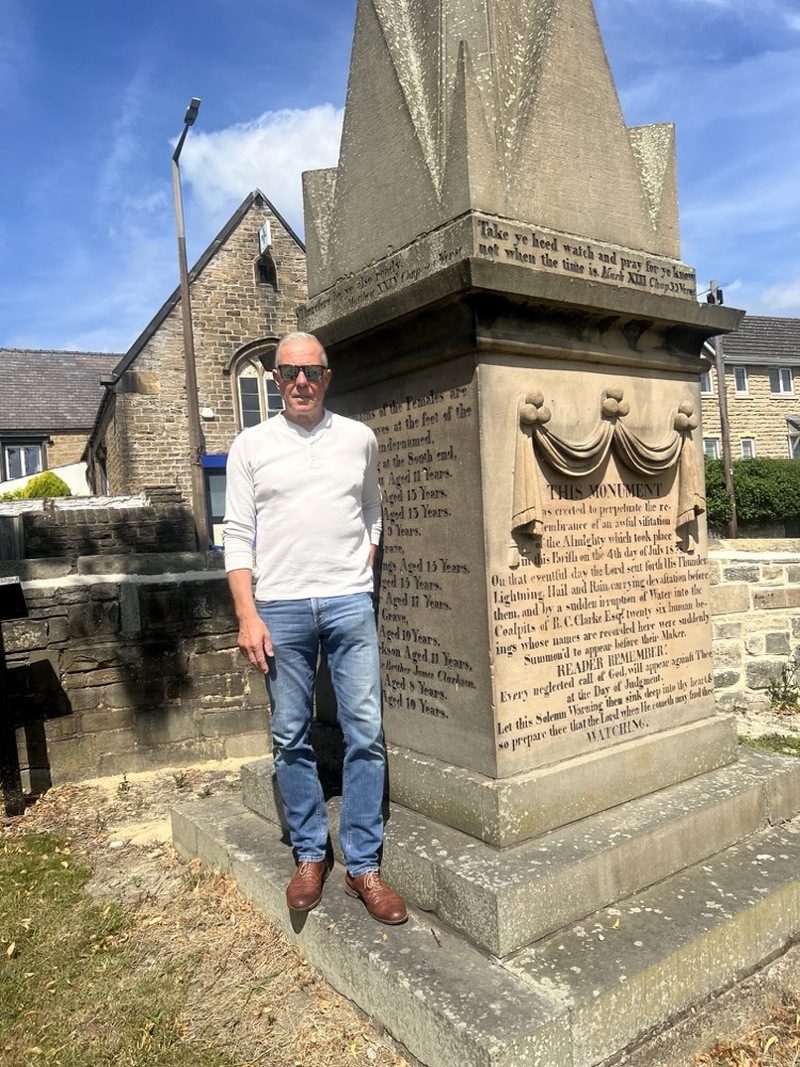
After the disaster the children’s bodies were buried in the churchyard at Silkstone, where a large memorial bears all their names.
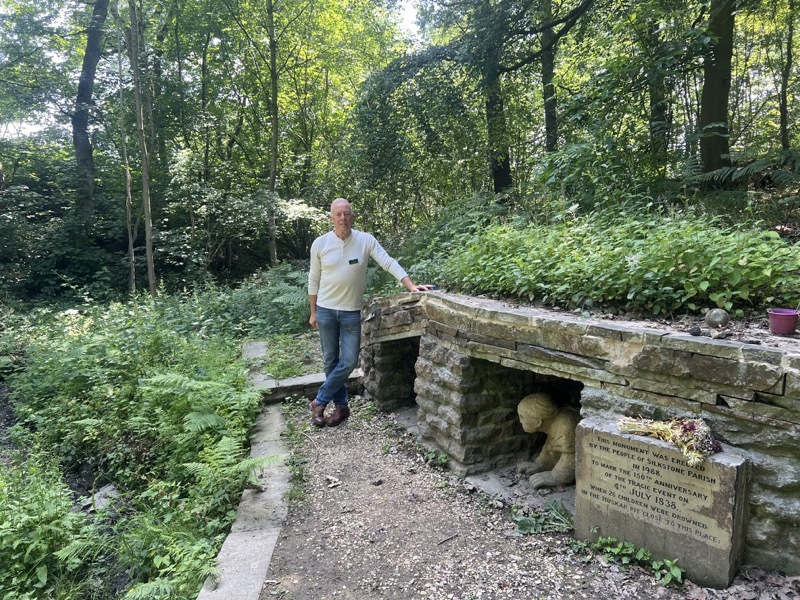
To mark the 150th anniversary of the disaster, a poignant memorial was erected in the wood close to the site of the entrance to the dayhole, standing as it does now today amidst young sprouting trees and an array of bluebells.
But the area had become overgrown, and local resident Stewart Walton took it upon himself to ensure that the area did not become lost - and he’s hoping the story will be told for generations to come.
He told the Chronicle: “Originally I was doing an audit for the local parish council on equipment that needed repair.
“It was so overgrown that you couldn’t see the memorial.
“The memorial has a girl and boy knelt down as if they were digging for coal but these were nearly invisible due to the overgrowth.
“I couldn’t believe that an area that changed history was in a state of disrepair like it was.”
Stewart contacted the Woodland Trust who worked alongside him to ensure the area was in a much better state.
“They came down and cleaned down the canopy and everyone’s commented about how it looks.
“I’ve done repairs on the benches all the way down and The Woodland Trust will be coming to fit new steps and handrails.”
The story is well known in South Yorkshire, but Stewart admits he wants more people to know about it - and he was shocked to find that youngsters in Guernsey had been performing a play about the disaster which occurred hundreds of miles away.
“It’s quite upsetting that people have lost it in their minds,” he said.
“Jane Raistrick told me that there was a play in Guernsey and me and my wife went - it was brilliant.
“They presented me with a stainless steel plaque and Woodland Trust have agreed to place an oak stand at the position of the day hole where the children tried to get out but were drowned.
“I’m hoping that it will touch heart strings here like it has in Guernsey.”
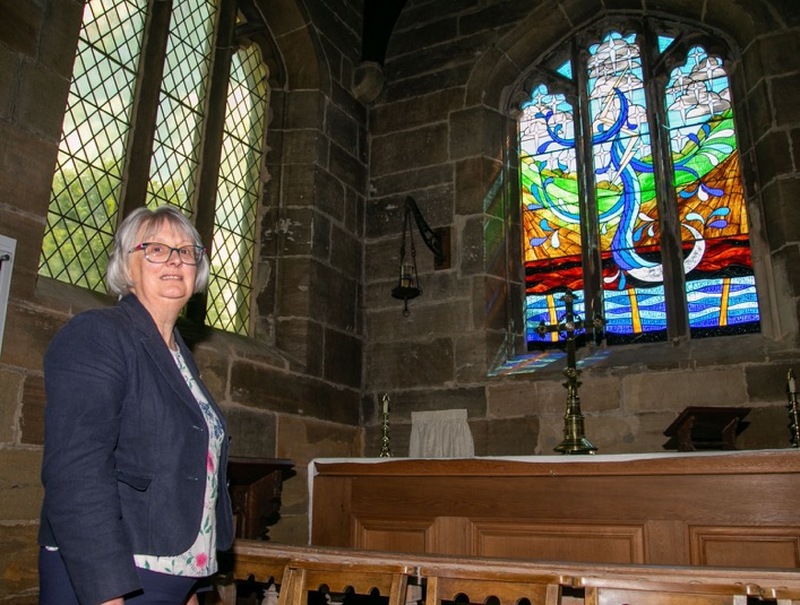
Jane, who is a church warden, has been influential in keeping the story alive - and is even related to some of those who died.
She said: “It’s really important that we keep the memory of these children alive.
“Sadly children are still having to work down mines in the Democratic Republic of the Congo.
“I’m descended from the family from Abraham and Isaac Wright.
“It’s very poignant - the loss of the children was horrendous.”
A memorial event is set to take place in the coming weeks for the anniversary of the disaster - and people from Guernsey willbe in attendance as well.