A NEW wound care drop-in clinic which provides vital healthcare to Barnsley’s homeless and rough-sleeping population has been launched - and it’s already treated more than 20 people.
The clinic, which operates fortnightly from 10am to 12pm at the Barnsley Recovery Steps site in the McLintock Building on Summer Lane, has been opened to address a ‘critical gap’ in healthcare provision for this vulnerable population, many of whom face significant challenges in accessing wound care treatment.
The initiative has been launched in collaboration with services provided by the South West Yorkshire Partnership NHS Foundation Trust, Barnsley Council and Barnsley Recovery Steps.
Homeless individuals often suffer from untreated wounds due to limited access to sanitary facilities, poor nutrition, and harsh living conditions.
As many do not seek planned healthcare, untreated wounds can rapidly worsen, leading to emergency medical interventions.
Recognising these challenges, the clinic - which coincided with the breakfast club held at the same time in the same building - offers specialised, accessible care tailored to the unique needs of rough sleepers.
Sophie Hempsall, associate director for nursing and professions at the South West Yorkshire Partnership, said: “This clinic fills an important healthcare gap for people who often fall through the cracks.
“By bringing wound care directly to where rough sleepers feel safe and supported, we hope to prevent serious health complications and improve overall wellbeing.”
Since its launch in May, 22 people have received wound treatment at the clinic.
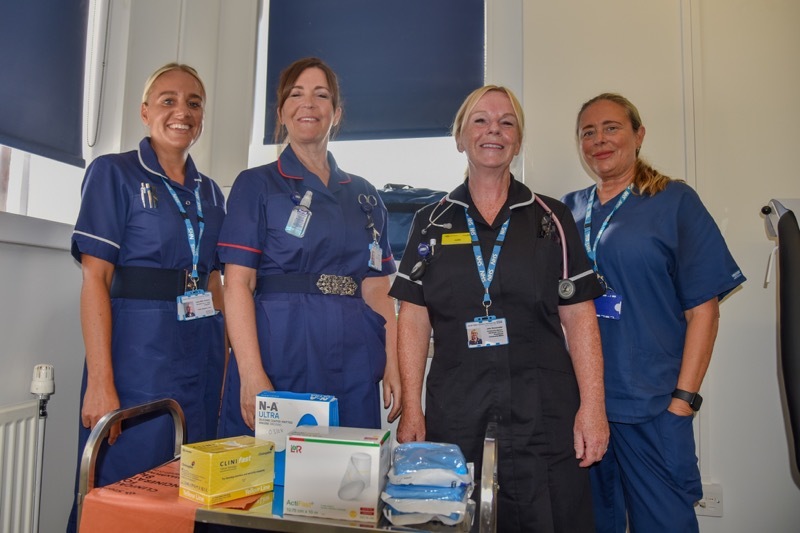
The team includes an advanced clinical practitioner, a neighbourhood nursing sister, and a Barnsley Recovery Steps’ health care assistant.
Outreach efforts by the health inclusion service from South West Yorkshire Partnership NHS Foundation Trust and town centre wardens help identify individuals with wound care needs and encourage them to attend the clinic.
Starting from next month, health inclusion service staff will join workers in delivering the clinic to strengthen relationships with the homeless community and expand health inclusion services.
Each year the Ministry of Housing, Communities and Local Government conducts a national snapshot survey of rough sleeping on a specific night in autumn.
The most recent results found there were seven people sleeping rough in Barnsley, fewer than the year before, when there were eight rough sleepers.
Nationally, the number of people estimated to be sleeping rough rose by 20 per cent last year to 4,667.
This is the second-highest level on record, and almost twice the total in 2021.
The count includes people sleeping outside, but does not cover sofa surfers, those in hostels or shelters, or people in recreational or traveller sites, and figures are generally considered to be an undercount of the true number.