


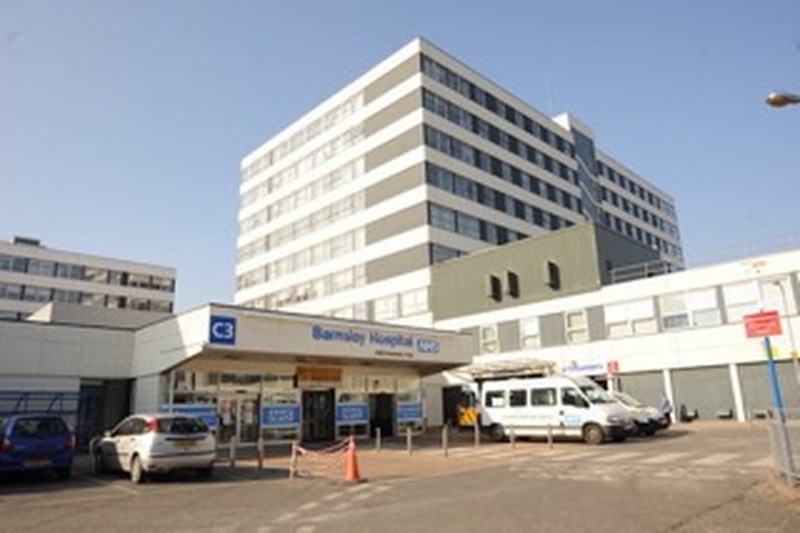
A ‘RELIANCE’ on ‘high-cost’ agency staff to plug gaps in Barnsley Hospital’s rotas remains an issue but work to considerably reduce overall expenditure is progressing, healthcare bosses have revealed.
Temporary staffing costs, from January to October, totalled £288,616 but that’s a 49 per cent reduction when compared with last year’s total.
Agency pay rates are capped at 55 per cent above what a normal employee would receive but for nearly nine in ten agency shifts for doctors - and four in ten for nurses the caps were exceeded last year.
As well as the agency reliance, so-called ‘bank staff’ - which are more flexible and employed by the NHS on an ad hoc basis - cost £872,537 and were mainly deployed to the emergency department.
A report said: “From 2015 up to 2023 the trust had experienced an increase in band five registered nursing vacancies, the cumulative effect being a high use of expensive temporary staffing sourced from high-cost agencies.
“As a result, the trust was the outlier for use of temporary staffing and
associated costs in South Yorkshire.
“The trust is now in a much-improved position with few registered nurse vacancies, however remains reliant on the use of temporary staff due to rotas being insufficient to cover the unavailability experienced.
“We have further reduced our temporary staffing spend compared to last year and have recorded a 49 per cent reduction.”
One in three NHS trusts paid an agency more than £1,000 for a single shift last year, while one in every six paid more than £2,000, due to a ‘perfect storm’ of rocketing demand and high absence levels.
The report added: “Barnsley Hospital aims to provide safe, high-quality care to all patients.
“As part of enabling this, nurse staffing levels within clinical areas are continually monitored.
“Safe staffing levels are also monitored and managed on a daily basis by the ward sister and matron for that clinical area.
“A daily staffing situation report is also now in place, underpinned by an updated escalation process specifically to manage nurse staffing issues.
“Shortfalls as a consequence of short-term sickness or other unplanned leave for which cover cannot be found internally by the movement of staff or the use of the bank staff are escalated to the associate directors of nursing for authorisation of temporary staffing via a nursing agency.
“Staffing, whilst not always optimum across the trust, is safe due to the contingencies that have been put in place and patient safety is being maintained and actively monitored.
“This can be especially challenging currently due to the amount unavailable staff hours lost due to sickness and other leave which far outweighs the headroom built into each establishment.
“But where staffing shortfalls are continually causing concern, this is identified on the trust’s risk register and appropriate action can be taken.”