
IN the end, Dickie Bird did it his way...
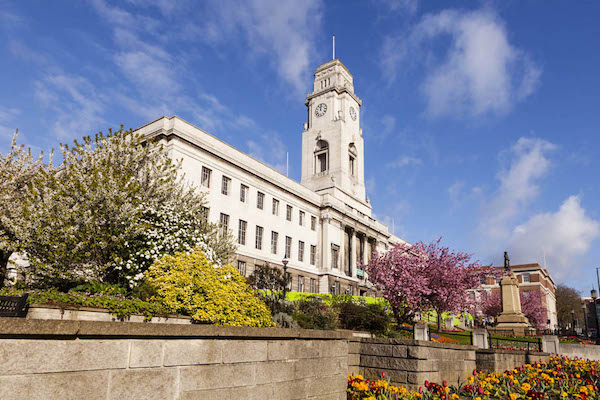
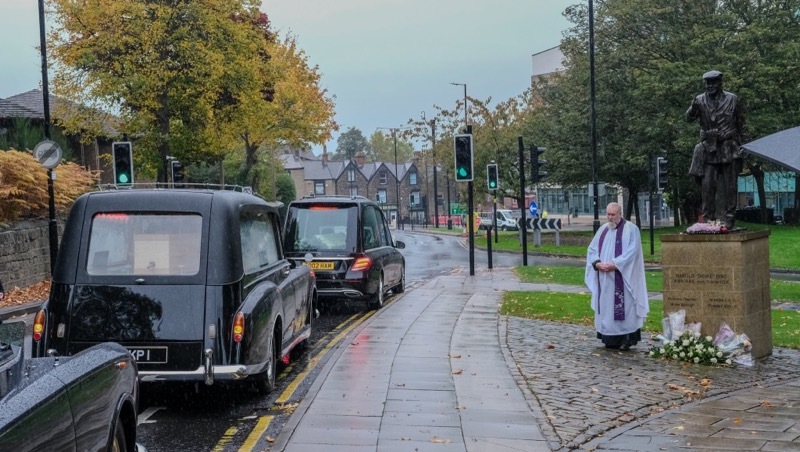
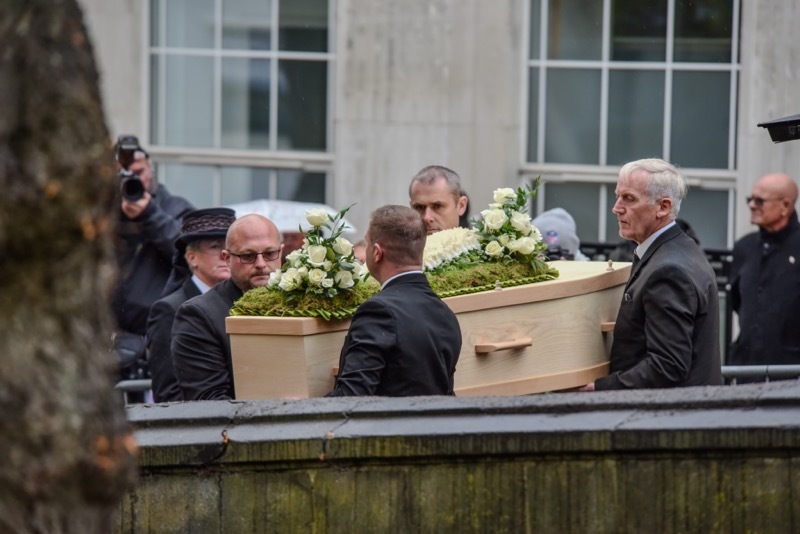
The cortege carrying the legendary cricket umpire’s coffin arrived typically early outside a rain-lashed St Mary’s Church, just a few minutes before 2pm on Sunday.
But Dickie arriving early to any function – generally several hours early in fact – was always something you could set your watch by.
And so it would have come as no surprise to anyone who knew him that there would be no exception to his fastidious but equally quaint, respectful habit even on this, his final journey.
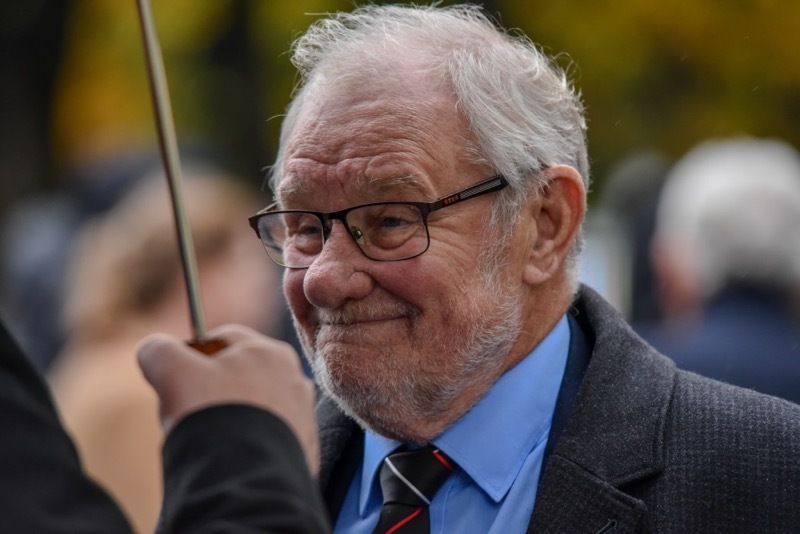
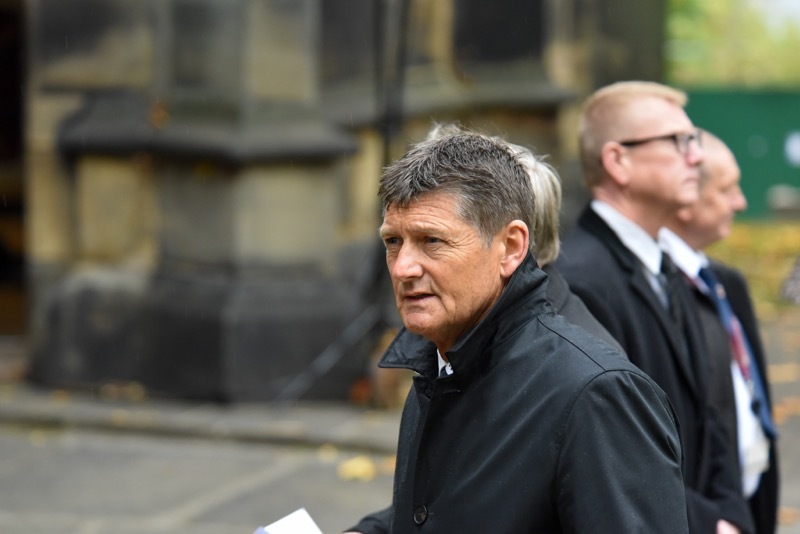
Rain and bad light might well have impacted the number of mourners who turned out to line the street outside and pay their last respects but there was a packed crowd waiting inside.
And in true Dickie style, mourners with tickets for inside the church – just a stone’s throw away from where he was born 92 years ago – had been politely instructed to make sure they were in their seats nice and early.
He would definitely have approved of that dictat...
St Mary’s had long been a popular retreat for Dickie a self-confessed Anglican during the week and a Methodist at weekends.
He could often be found sitting quietly in the pews at the back, enjoying some peace and quiet after his visits into the town centre where he would regularly be asked for autographs or pose for selfies, something he never tired of giving as he always appreciated his enduring popularity.
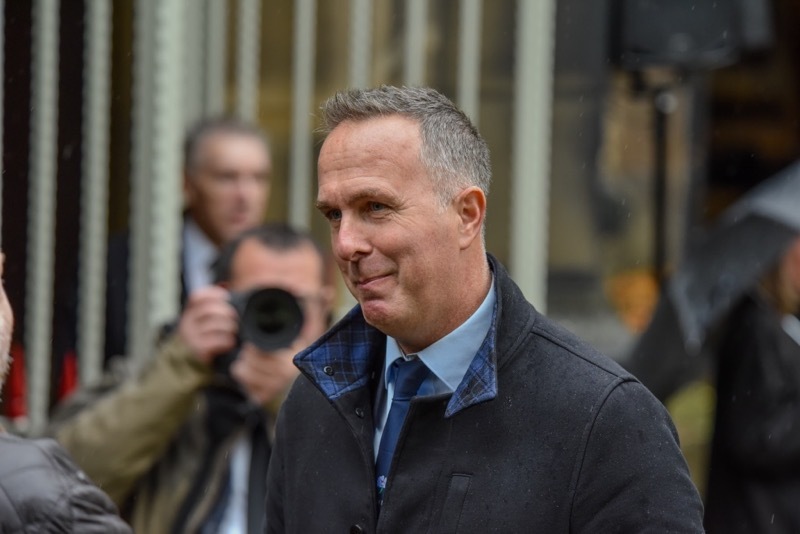
Among the mourners were names from Dickie’s glorious cricketing past. Former England captain Michael Vaughan, David Byas and Martyn Moxon caught the eye.
Mike Parkinson, son of Dickie’s lifelong friend, Sir Michael Parkinson; former sports minister Richard Caborn and renowned sports commentator John Helm were among the 250 mourners.
Also paying their respects were television news anchors Christa Ackroyd and Ian White who, down the years, had probably handed him boxes and boxes of tissues which had to be kept close at hand for his emotional interviews which always endeared him to viewers all over the world.
As a boy, Harold Dennis Bird, Dickie was the nickname given to him at junior school, had dreams of making it as a footballer. He was a young team-mate of Tommy Taylor, arguably the most revered Barnsley-born footballer of all-time, whose life was cut short in the Munich Air Disaster.
Injuries put a premature end to Dickie’s own football career so he switched to the less physically punishing sport of cricket.
Football’s loss proved to be cricket’s gain. And while Dickie’s struggles with controlling his pre-match nerves meant he never quite fulfilled his potential on the crease, those nerves seemed to evaporate once he retired from competitive playing and pulled on his trademark white cap to become an umpire.
He was at home in the centre of the world’s biggest cricketing arenas – it might have taken some time but he had finally found his happy place.
On the pitch, he would make calls that were often controversial. once famously stopping an Old Trafford test match between England and the West Indies because the sun was ‘too bright’.
To many in the sport though, he was more than just an umpire; he was ‘the’ umpire. Liked but more importantly respected and trusted by players and fans across the world.
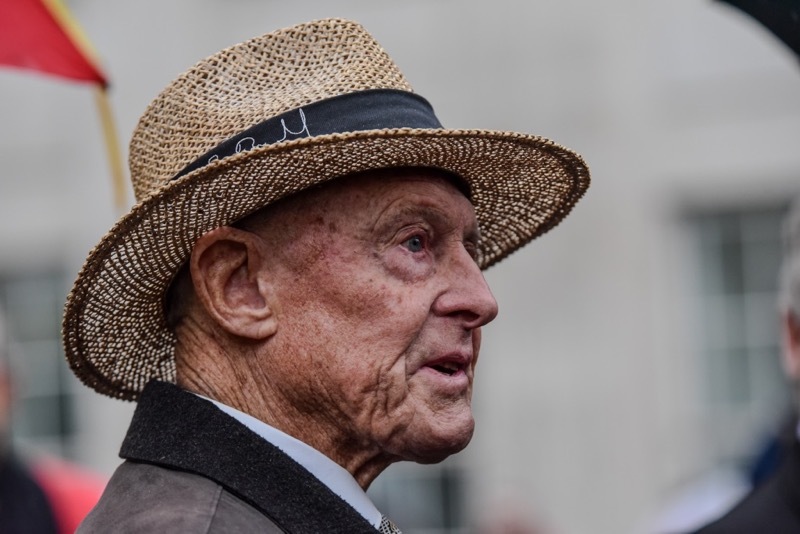
In his eulogy Sir Geoff Boycott told the congregation: “Surprisingly with all the nerves he had as a batsman, he became a great umpire because he could channel all that nervous energy into good decisions.
“Dickie was refreshingly different. Eccentric but fair. It would be hard to find anyone who didn’t like him.”
His revelation that, for the first few years the pair knew each other, Dickie insisted on calling him ‘Gerald’ because he genuinely thought that was his given name brought smiles and laughter from the congregation.
Dickie’s love affair with Yorkshire and its people was highlighted by Yorkshire County Cricket Club chairman, Colin Graves, who added: “He had a reputation for not being the first at the bar but he was a very generous man indeed.”
Almost 1,000 children had been recipients of grants from his sporting foundation among them a certain Harry Brook now an England international cricketer.
Away from his beloved sport, he’d also given away around £1 million of his fortune later in life to various charities, especially ones that helped children.
Four years ago when he was presented with the Mayor of Barnsley’s Special Recognition Award at the Proud of Barnsley awards, he broke down on stage as he told the audience that despite having led a wonderful, fulfilling life, his big regret was that he’d never made the time to settle down and start a family.
“The trouble was I suppose I was married to the game. Cricket was my wife and my life...”
Sir Geoff always regarded as a no-nonsense, straight-talking northerner was visibly emotional as he signed off his tribute: “He became the most famous and well-known umpire in the world but most importantly, he was the best umpire in the world. Harold Dennis Bird was a one-off and very, very special. Rest in peace, my friend.”
Dickie’s coffin was led out of the church and onwards to a private family cremation at Ardsley to the timeless Frank Sinatra song ‘My Way’.
You certainly did do it all your way, Dickie. Well played.