



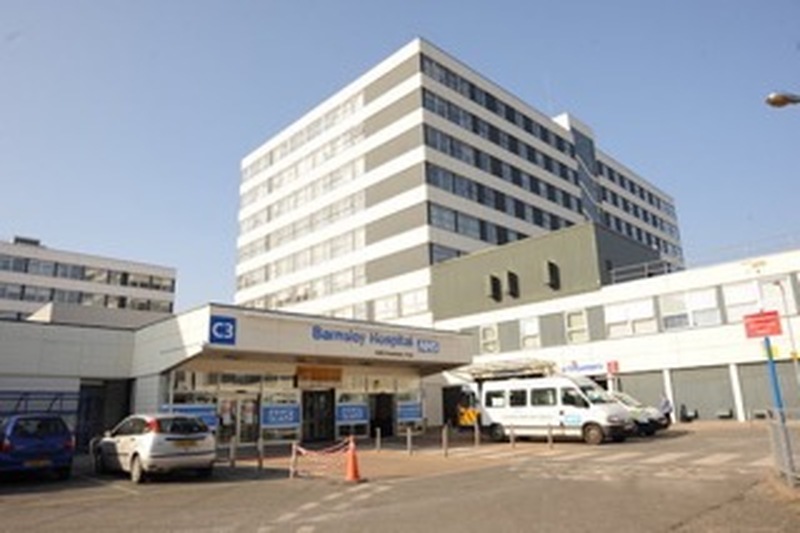
A FIRE and re-hire process awaits almost 2,000 Barnsley Hospital clinical staff who refuse to sign a new contract following a dispute over paid breaks, the Chronicle can reveal.
Since August, the ruling trust has been working with union representatives to seek agreement on the proposed move from paid to unpaid breaks.
Workers were involved in a three-week consultation, which ran from late October to mid-November, and saw union members reject the hospital’s preferred outcome.
A letter sent to employees, seen by the Chronicle, states the changes were being done to ensure ‘consistency and fairness’ - however the controversial practice is set to be restricted later this year under the government’s Employment Rights Bill.
The note - sent jointly by executive directors Sarah Moppett and Steven Ned - says employees have until January 31 to agree to the revised terms or face a ‘dismissal and re-engagement’ phase.
This, according to the letter, would be the final step when all negotiations have been exhausted and an agreement cannot be reached, with employees left with ‘no choice’ but to accept a new contract with the fresh break arrangements in place.
“In practice, this means your current employment contract would end on a specified date and you would then be offered a new contract immediately after, with the revised terms and conditions,” it said.
“The new contract will include the changes the trust has proposed - for example, unpaid breaks - while other parts of your contract, such as your pay, role, and length of service, would stay the same.
“If you accept the new contract, you continue working as before, but under the updated terms.
“Over time, informal arrangements have led to inconsistencies in how breaks are taken across departments.
“This has raised concerns about fairness and equality among other staffing groups that receive unpaid breaks.
“As negotiations with union colleagues have been fully exhausted, the trust is now approaching colleagues directly to seek agreement to the proposed changes.”
The Chronicle understands about 1,900 members of staff are involved, with the majority in clinical settings and some in administrative roles.
A spokesperson for the hospital said eight months of consultation had been undertaken and that discussions were ongoing.
“Greater availability of care hours means more staff on duty, reduced reliance on agency shifts and increased visibility of substantive registered nurses at the bedside,” they added.
“Evidence shows this significantly improves patient care and safety.
“A richer nursing skill mix and higher nurse-to-patient ratios also enhance outcomes, support staff wellbeing, reduce healthcare costs and improves workforce retention.
“Ensuring colleagues have adequate rest breaks is essential to mitigate fatigue and maximise health.
“We remain committed to appropriate breaks in line with best practice and national NHS terms and conditions.
“This process was driven by our commitment to fairness and consistency, addressing long-standing informal arrangements and variations in how breaks were taken across departments, which raised concerns about equality among other staff groups with unpaid breaks.”

