


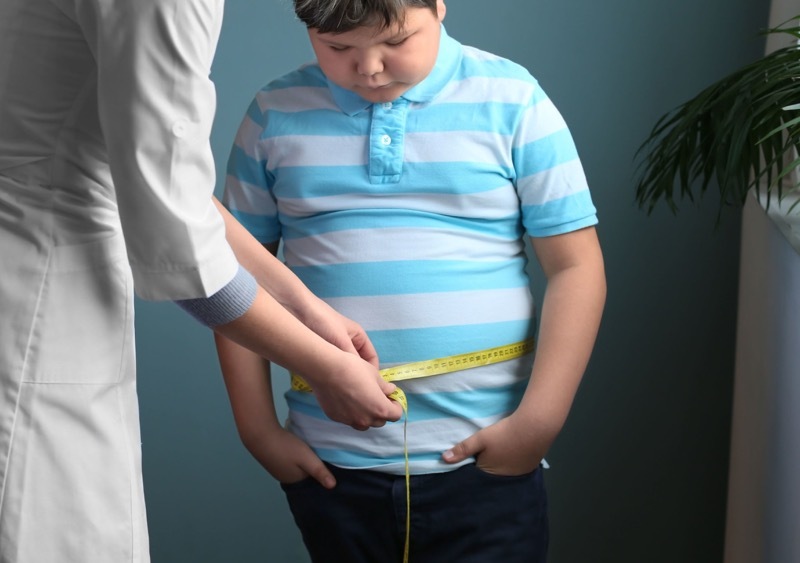
OBESITY rates among four and five-year-old schoolchildren starting school in Barnsley have surged to record-breaking levels, shocking new figures obtained from a nationwide measurement programme have revealed.
A total of 2,635 reception-age children in Barnsley were measured in 2024/25, with about 330 - or 12.5 per cent - found to be obese.
It was an increase from 11.2 per cent the year before and the highest since records for the area began.
As well as the youngest age bracket, a quarter of Barnsley’s year sixes - aged ten and 11 - were classed as obese, the recent National Child Measurement Programme showed.
Barnsley became the first town in the north of England to implement restrictions on junk food advertising three years ago.
The council’s measures, developed in collaboration with food charity Sustain, have been introduced to protect the health and adults and children and they’ll be in place across all of their advertising estate.
Being the first authority in the north of England to implement the policy, restrictions will limit advertising on all Barnsley Council-owned or leased advertising sites.
This serves to protect children and adults from exposure to high fat, salt or sugar advertising, which can influence what people eat and drink, as well as how much.
Coun Wendy Cain, cabinet spokesperson for public health and communities, said: “Childhood obesity is a complex issue, particularly given its strong links to poverty and we know we can’t tackle this alone.
“That’s why we’re working closely with our partners to address these challenges head-on, focusing on a range of initiatives that tackle food poverty and make sure everyone can access affordable, nutritious food.
“This includes our growing network of Good Food Pantries, our healthy holiday clubs and the upcoming What’s For Tea Barnsley cookbook, filled with affordable recipes submitted by our communities.
“We’re also continuing to work with schools to create supportive environments that champion healthy eating, physical activity and emotional wellbeing and running free initiatives in primary schools.
“These programmes are supporting families to be able to make healthier food choices and inspiring young people to develop lifelong habits that support their wellbeing.
“We want to work with our communities to make this possible, and we’re committed to taking innovative approaches to improving people’s health.”
The report also found children from black or ethnic groups are more likely to be living with obesity, and children in the most deprived areas are over twice as likely to be obese than kids in the least-deprived areas.
Katharine Jenner, executive director of the Obesity Health Alliance, said the data was a ‘stark reminder’ that poor child health remains a serious issue.
She added: “Every child deserves the chance to grow up healthy, regardless of their background.
“The findings suggest that the recent small reductions in obesity among reception-age children were short-lived, with this year’s figures showing one of the highest obesity rates recorded since the programme began.
“These concerning trends are at odds with the government’s ambition to create the healthiest generation of children ever.”