
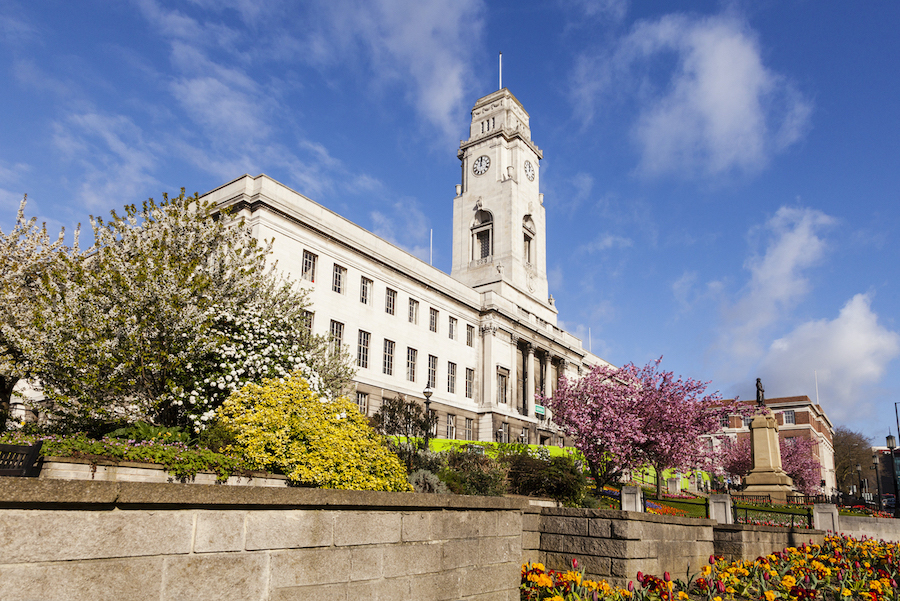
IT’S great to see that Barnsley Council are putting our town forward for the UK’s first ever Town of Culture competition.
Lots of things make up a town’s culture: the community spaces people share, the landmarks people gather around, and the town’s plan for the future.
But culture is also about the past, and that’s what I’ve been thinking about lately - our town’s proud heritage.
‘Barnsley’ first appeared in the Domesday Book of 1086 as ‘Berneslai’, a small place of around 200 people.
No-one’s fully sure what the name means. Some reckon it’s ‘a barn in a field’, others say ‘the bear’s den’.
Both names hint at the thick woodland that once covered our borough. Whatever the truth, the word ‘Berneslai’ marked the beginning of a history that’s been unfolding for nearly a thousand years.
But our past isn’t just tucked away in dusty books - it’s out there in stone and earth. Take Monk Bretton Priory, for example. Founded in 1154, this was once a lively religious community before falling victim to Henry VIII’s Dissolution of the Monasteries. Even so, the ruins still carry a certain dignity, standing as a stark reminder of our town’s turbulent past.
Move forward a few centuries and Grimethorpe Hall takes its place in the story. Built around 1670, it’s had its struggles, but local campaigners have fought tooth and nail to protect this Grade II-listed piece of Barnsley’s architectural story.
Then comes the industrial age, written into our town’s rich mining history. The fantastic volunteers at Barnsley Main Colliery do a remarkable job of keeping this history alive. Established in 1824, its early years were marked by tragedy, including the 1866 Oaks Disaster, which sadly remains the worst mining disaster in English history.
Not far away, Elsecar New Colliery is the site of the world’s oldest steam engine still at its original location - a piece of history literally rooted in our borough’s soil. It’s a place where you can almost hear the echo of hammers and picks and feel the weight of Britain’s industrial rise.
But Barnsley’s industrial story isn’t just about what happened underground. The town also became a centre of glassmaking, from the late 18th century works at Worsbrough Bridge to the later expansion at Hoyle Mill, where Barnsley makers produced innovative bottles that became famous across the country.
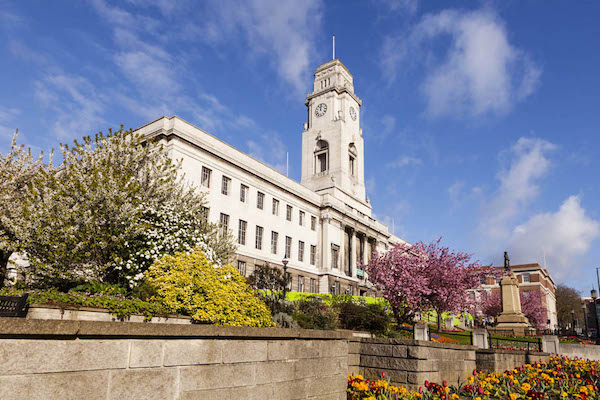
Around the same time, in 1877, the Mechanics Institute and Public Hall opened its doors so working people could access culture and learning - this building is now Barnsley Civic!
No account of Barnsley’s heritage would be complete without reference to the famous Barnsley Pals - men who volunteered together, fought together and whose sacrifice still runs deep in our community.
I could go on - Wortley Hall, Cannon Hall, Wentworth Castle Gardens - but I have a word limit to stick to!
Barnsley’s cultural heritage is particularly relevant as we step into the Town of Culture competition. The judges want to assess each town’s unique story. Here in Barnsley, our history is all around us - and we’re proud of it. We’re optimistic about our future, too.
I think we’re in with a very good shot!