IT’S 1972 and the world is suffering its usual political and economic turmoil.
The Vietnam War is going badly for the USA and, in Northern Ireland, 14 unarmed Catholic protesters are shot dead by British soldiers in what was to become known as ‘Bloody Sunday’.
Meanwhile, a young Don McLean dominates the British pop charts with ‘American Pie’ and ‘Vincent’, and on the industrial front, British mineworkers attempt to re-establish their former position as top UK wage earners.
I’m doing an A-Level course at Barnsley College and I’m particularly interested in the development of trade unionism.
I learn that for more than two centuries those attempting to create unions were brutally oppressed by the rich and powerful – merely meeting in small groups could mean imprisonment or penal transportation to Australia.
I also learn that in this constant war between the social classes, workers would occasionally win and make progress.
Then after a few years, some of their gains would be reversed – thus, workers’ collective action resulted in stuttering improvements to their quality of life, a kind of two-steps-forward-one-step-back scenario.
Disputes were almost always vehemently contested and downright dirty, and defeat for the workers often meant, hunger, eviction, victimisation, criminalisation and misery. History also tells us that the police and courts ALWAYS took the side of the employers during a strike.
My A-Level year of 1972 just happened to coincide with a period when the star of the British mineworkers was in the ascendancy and this success was repeated in 1974. But as the Tory government licked its wounds it was already preparing for the revenge of 1984/85, and we all know where that led.
So why are tens of thousands of people commemorating the defeat of the 1926 General Strike this weekend?
Because it was such a pivotal moment in the history of Britain and the world. After the First World War (won by the blood of the masses) the rich and powerful had promised “a land fit for heroes” but within a short space of time, miserly wages were being cut further and working hours increased.
The miners and the rest of the movement felt bitterly betrayed; and so on May 2, 1926 a general strike began, backed by the TUC.
The miners’ motto was ‘not a penny off the pay, not a minute on the day
’.
The private coal owners locked out the miners but altogether 1.7 million workers walked out of work in solidarity.
Tory Chancellor, Winston Churchill – the future war-time leader – and the chief government protagonist, called for guns to be issued to the police but was refused.
At the same time he encouraged the police to mete out harsh treatment to pickets, saying, ‘a little blood-letting would be beneficial to break the strike’.
Moreover, he tried to turn the BBC into a propaganda tool of the Tory government. However, the cunning Lord Reith refused because he believed, correctly, the BBC would get more credibility if it faked neutrality.
Strike-breakers in the less militant Nottinghamshire coalfield also undermined the strike.
Nevertheless, after nine days there were more people on strike than on the first day. But at this crucial point the powerful Trades Union Congress got cold feet and opted to end the general strike and leave the miners to fight alone.
Sadly, the Labour Party – created by trade unions – chose the side of big business from start to finish, and the Catholic Church called the strike a sin.
After nearly seven months of soup kitchens and extreme privation, the miners were forced to return to work on lower pay and longer hours.
However, despite this major defeat, the inexorable pressure of trade unionism has made life for workers and their families more bearable, even though it has to be emphasised that nothing was ever granted through ruling class kindness. Since 1926 the following improvements have all been won through union agitation: paid holidays, safer workplaces, protections against unfair dismissal, equal pay for women, maternity and parental rights, the national minimum wage, etc.
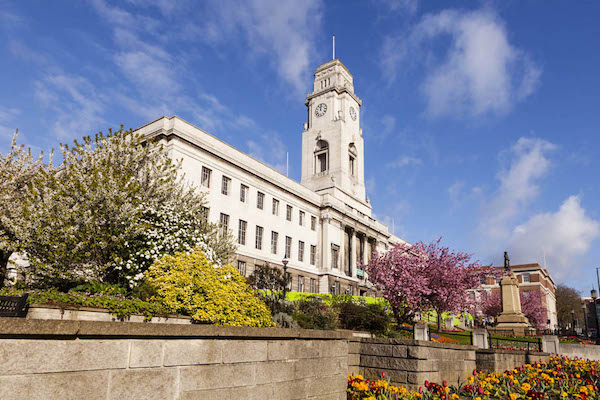
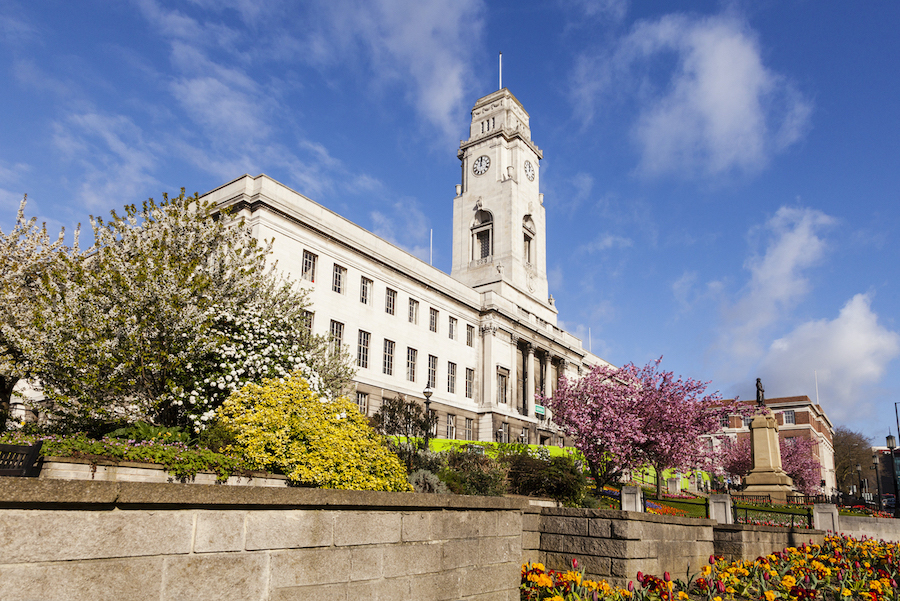
This Saturday, May 2, there’s a full day of activities marking the centenary of the General Strike. It starts at 10am at the Civic Hall, Barnsley, with top speakers, and concludes with live entertainment at Vault 27 from 5pm. Entertainment is £15, the rest is free.
The brilliant 1975 TV series, ‘Days of Hope’, was written by Jim Allen, produced by Tony Garnett and directed by Ken Loach, and is worthy of the closest attention.