
History professor Keith Laybourn 's first job was as a bookie's runner in Monk Bretton. He is now writing a book on gambling and spoke to Adam Civico.
EVERY Saturday 12-year-old Keith Laybourn would go from house-to-house collecting money and bets. Later when the bookie paid out he would drop off the winnings to any lucky punters.
Such gambling was illegal at the time. Even so Keith’s round would take him all over Monk Bretton, including to the homes of police officers.
Like about four-fifths of the working class population his dad, a miner, would have a flutter. He said: “My memories are very simple. In the late 1950s I helped out on a Saturday and used to go to about 30 or 40 houses, some of them policemen’s, and picked up the bets and took them to the bookie in Monk Bretton near the old Co-op.
“Everybody was doing it, everybody bet on the horses. There was a fairly thriving trade.”
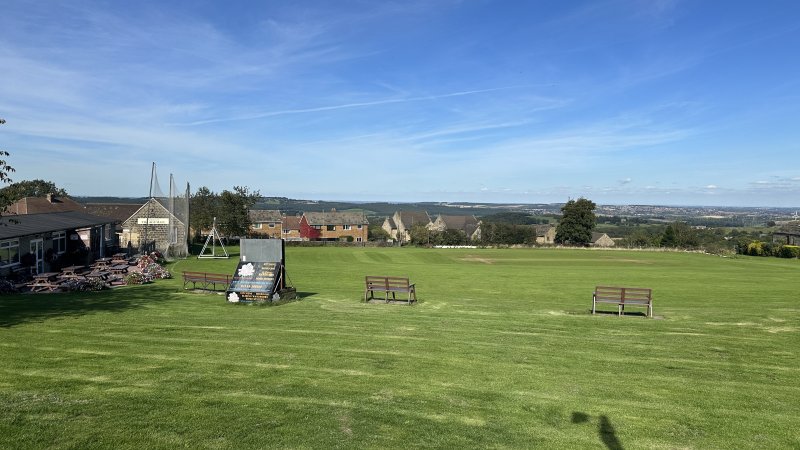
That trade kept Keith, 60, in pocket money and was more lucrative than his other means of income. “It was very good, how else did you raise pocket money? I used to go round Monk Bretton cricket ground on a Saturday or Sunday because people used to drop their money if they sat down because of the slope. I could get eight to ten bob.”
Betting was legalised in the 1960 Betting and Gaming Act but Keith remembers at least one bookies in Barnsley who was openly trading in the late-’50s. It would get raided a couple of times a year.
He is now a professor at Huddersfield University and is researching for a book, provisionally titled In search of phantom fortunes: Working class gambling c.1906-1960. His students will also be taught a module on the subject.