

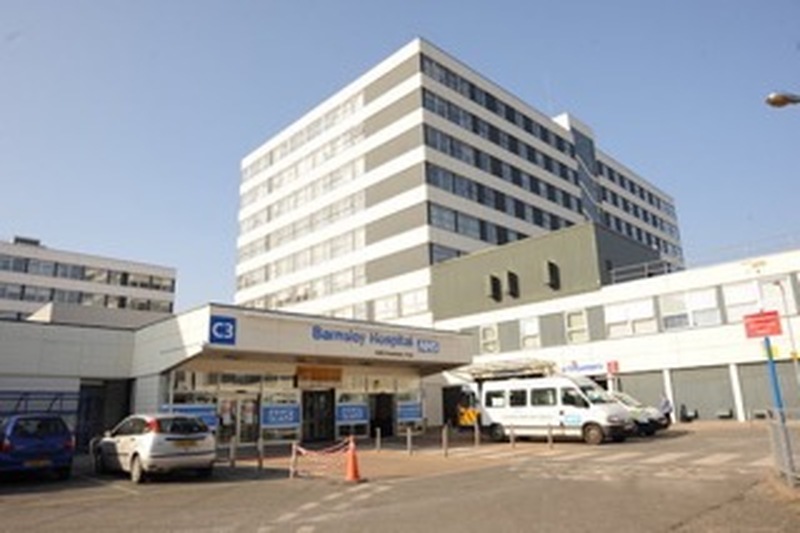
A SURGE in flu patients requiring treatment at Barnsley Hospital has been recorded and several are now in a critical care ward.
The most recent NHS winter situation report shows an average of 31 flu patients were being treated to December 14, with three in critical care.
It was up from 24 flu patients treated by the trust the week before.
NHS England said that there are ‘welcome signs’ the rise in flu cases in hospital is slowing in some parts of the country pointing out a fall in flu cases in hospitals in the north-west over the past week.
Professor Meghana Pandit, NHS England’s national medical director, said: “While some parts of the country will be breathing a sigh of relief with flu cases not rising as quickly as feared, we are nowhere near out of the woods yet.
“Combined with the impact of strikes, a stream of winter viruses means many hospitals will be on high alert in the days ahead.
“But it remains vital that people continue to come forward for NHS care as normal.”
Barnsley Council’s public health director, Anna Hartley, spoke out on the matter and urged people to take up the offer of a vaccine to give them a form of protection.
She told the Chronicle that it’s been proven to have between a 70 and 75 per cent success rate in preventing people especially youngsters from attending hospital.
“Flu spreads easily in winter because we all spend more time indoors with each other and have larger social gatherings,” she added.
“Children are prone to catching winter viruses which they can easily pass on to other family members, even if they don’t have any symptoms themselves.
“Children have the same flu symptoms as adults including fever, chills, aching muscles, headache, stuffy nose, dry cough and sore throat lasting up to a week.
“Flu can cause serious illness including acute bronchitis, ear infections and pneumonia. In some cases, children may require hospitalisation and intensive care treatment.
“We can prevent the spread of flu and the likelihood of getting seriously ill by getting ourselves if eligible and our children vaccinated.
“Vaccinations remain a key tool in protecting against serious illness, but it’s also about supporting those around us, checking in on neighbours, and making sure our children are well enough before sending them to school.
“Together, we can help Barnsley stay safe and resilient this winter.”
The hospital has infection prevention and control (IPC) measures to help protect staff and patients from flu.
A number of these have been tightened, including mandating universal mask-wearing for colleagues in the emergency department.
A spokesperson from Barnsley Hospital confirmed more people are being hospitalised by flu.
“We’re seeing a rise in the number of patients with flu who need hospital care the hospital strongly encourages people who are eligible to take up the flu vaccine as soon as they can to protect themselves,” they said.
“The flu vaccine this year is a good match to circulating strains and significantly reduces the risk of severe illness and hospitalisation.
“Vaccinated adults are around 30 to 40 per cent less likely to attend or be admitted to hospital compared to those who are not vaccinated.
“The trust is reminding the public not to visit family or friends in hospital if they are suffering from a flu-like illness.
“Many of our patients are vulnerable and we want to do everything possible to keep them safe.”
Health and Social Care Secretary Wes Streeting said flu was putting a significant strain on the NHS, with record numbers of patients in hospital, and frontline services remaining under enormous pressure.
“The British Medical Association’s regrettable decision to pursue strike action at this critical moment is piling on the pressure,but the NHS team has responded brilliantly to keep the show on the road.
“Our entire focus is on keeping patients safe through the strikes and this peak period for the NHS.”
MORE cases of a hospital-related superbug were reported at Barnsley Hospital last year, the latest figures have revealed.
Clostridioides difficile is a common hospital-associated bacterial infection that causes severe diarrhoea and can be life-threatening, especially in older people.
Data from the UK Health Security Agency published earlier this year reveals 103 cases were reported in 2024/25, corresponding to 63 cases per 100,000 people.
It was up 32 per cent on 78 cases the previous year, and 158 per cent from 40 cases four years ago in 2020/21.