


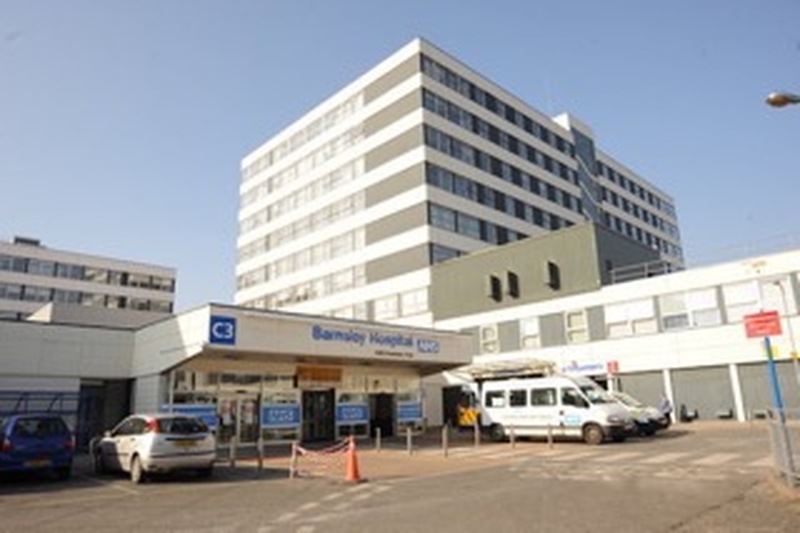
MORE than 300 frontline workers required periods of time off work at Barnsley Hospital last year on mental health grounds, figures obtained by the Chronicle have revealed.
Freedom of Information data reveals the extent of the issue, with 302 people being unable to work in 2024/25.
The total number of days lost due to mental health stood at 7,378 during the year.
The King’s Fund, a health think-tank, said the high level of stress-related absences should be seen as a ‘wake-up call’ for the NHS to address ‘excessive workloads’ on staff.
Alex Baylis, assistant director of policy, added: “This is just another wake-up call to the NHS, because we are seeing exactly the same sort of trends when you look at reasons for people leaving.
“So, what we think is important is not just focusing on supporting individuals but looking at what these systemic, underlying drivers of these levels of stress and burn-out.
“That means really listening to staff and being prepared to put in place fundamental changes where needed to address this, rather than normalise it and carrying on with these constant warning signs we are getting.”
Since 2021/22, more than 1,000 medical staff have requested time off due to their mental health.
Naomi Gornall, from the Doctors In Distress charity, called on the NHS to prioritise its workers’ mental health.
“Sky-high job vacancies, increased demand on services and stretched resources all in the aftermath of tackling a global pandemic have left healthcare professionals battling with stress and mental health issues more than ever before.
“Almost a third of NHS healthcare staff feel burnt out because of their work and less than half claim they can meet all the conflicting demands on their time at work.
“We know that reducing stigma around mental health issues for staff in the health sector is crucial.
“Promoting a positive wellbeing support culture and ensuring employers uphold a duty of care for the mental health of their staff are essential steps.
“Change starts small - whether it be stopping to ask someone how their day is, or empathising with difficulties, it begins with role model behaviour and the knock-on effect this can have.( “Early intervention also plays a vital role in prevention, making the availability of free programmes and peer support groups for those struggling with issues such as anxiety, stress, and burnout incredibly important.( “The power of talking, sharing stories and experiences with peers can help foster connection and builds a vital support network.”
An NHS spokesperson said mental health support is available for staff, including access to 24/7 confidential support services, coaching and flexible working options.
They added ‘there is more to do’ to ensure NHS staff feel comfortable asking for help.
“That is why the NHS is strengthening our occupational health services and reviewing our mental health offer for staff to ensure everyone working in the NHS has the right support they need,” they said.
A hospital spokesperson said: “We recognise the pressures felt across the NHS at the moment.
“We offer a wide range of health and wellbeing support for everyone working at the hospital.
“Our recently-introduced health and wellbeing strategy builds on our existing support in targeted areas such as counselling and mental health support for colleagues.”