
A TRANSFORMATIONAL school which parents say would have significantly addressed growing demand for specialist education places in Barnsley has been shelved despite a bid for millions of pounds in funding for its build being successful.
The new ‘free school’ which was the brainchild of both Barnsley Council and Sheffield City Council was earmarked to be built at a cost of £15m, potentially off junction 36 of the M1 where the local authorities share a border.
Provision of 100 places to each council would ‘make a significant difference to both areas’ sufficiency’, the Department for Education said, after they awarded funding.
However, according to Barnsley Council cabinet papers which instead approved plans to fund 45 new places at The Mill Academy in Worsbrough the scheme has been ‘paused’ following a review undertaken upon the changeover in governments.
Cost-effectiveness and necessity were two reasons cited and the Chronicle can reveal no timeframe for the review has been provided to either council.
The report said: “As part of the government’s review of the SEND system, the DfE paused plans to open a number of new schools.
“This included the council’s approved free special school, originally planned to be opened in partnership with Sheffield City Council in September 2025.
“This scheme would have provided up to 100 places for children and young people with autism spectrum condition and communication or interaction support needs.
“The DfE have advised that there is no update available regarding the free school programme.
“In mitigation, best endeavours have been made to secure alternative arrangements and increase sufficiency within the borough as part of our revising of sufficiency planning.
“Following an option appraisal and a feasibility assessment, it is
proposed that an additional 45 special school primary phase SEND places are established on The Mill Primary Academy site.
“This programme is ‘looking forward’, taking into account the number of strategic implications and opportunities for Barnsley from the pause of the free school programme as well as from the wider SEND national reforms.
“Services in Barnsley continue to experience pressures and demands
that are reflected nationally across the SEND system, a system under severe strain, with local authorities facing unsustainable financial pressures, rising demand and systemic inefficiencies.”
Surging demand has been seen across the country and Barnsley’s figures are no different, education bosses say, with more than 3,000 children now requiring tailored support in the town.
Placements cost between £50,000 and £70,000 per year, but can rise to as much as £250,000.
Key stages three and four which refer to ages 11 to 16 were set to be targeted by the shelved free school due to growing demand for local places and the council’s quest to reduce out-of-borough placements.
Education Secretary Bridget Phillipson confirmed she had asked officials to review the schools that had been approved but had not yet opened, excluding new special schools and alternative provision.
“We will look at whether the schools meet a need for places in their local area and offer value for taxpayers’ money,” she added.
“We will also take into account whether projects would provide a distinctive curriculum and any impact on existing local providers.
“Our priority is to ensure children thrive in education, whatever type of school they are in including free schools.
“Capacity varies from place to place, so we will continue to open new schools where they are needed.”
The DfE said more details on the school projects affected and the scope of the review would be published ‘in due course’.
“We’re already making progress to deliver change across the SEND system, from earlier intervention across ADHD, autism and speech and language needs, to £740m investment to encourage councils to create more specialist places in mainstream schools,” a spokesperson said.
“We are engaging with local authorities and trusts in the usual way and progressing work on special and alternative provision free schools, in line with our vision for the SEND system and our ‘Plan For Change’.”
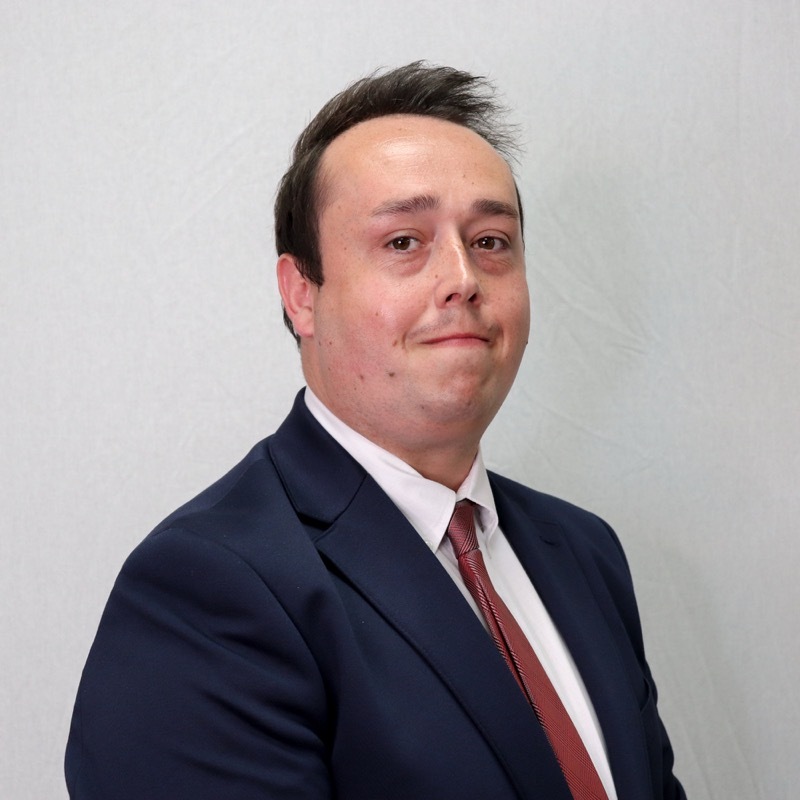
Councillor Ashley Peace, cabinet spokesperson for children’s services, told the Chronicle: “We want as many children and young people as possible to be educated closer to home and we continue to review the sufficiency of provision in our borough to make sure it meets the needs of our community.
“We are committed to working with the DfE and we hope the previously agreed programme will be implemented in the near future.
“Our latest commitment and investment to create up to 45 new primary school places for children with special educational needs and disabilities will ensure that more children can access education and the support they need in the borough, leading to less travel and providing with the opportunity to achieve their full potential in a setting that truly understands and meets their needs.”