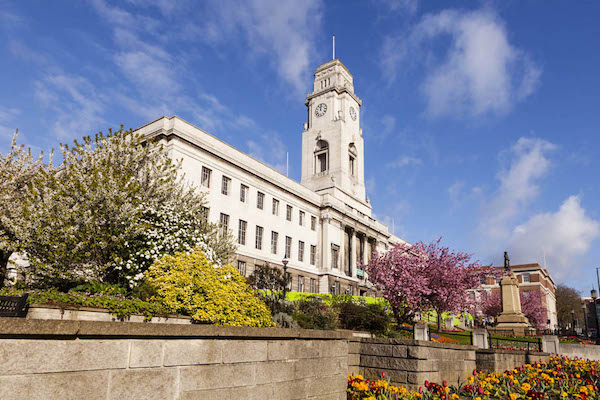

A ‘SUBSTANTIAL’ amount of cash totalling £51m has been used to prop up Barnsley Council’s budgeted services in just four years, a report has revealed.
Figures for recent years and projections for the forthcoming financial year said core funding will not cover running costs, resulting in a £30m per annum budget gap.
However, the reserves used to continue providing services has only been possible because the local authority accumulated ‘significant sums’ following a period of successful efficiency and other savings programmes.
A report, discussed by ruling cabinet members on Wednesday, said: “The council now finds itself in a similar position where core funding - fixed for the next three years - will not cover core running costs moving forwards, resulting in the currently reported £30m per annum budget gap by the end of this planning cycle.
“Therefore, there will be a need to focus on continuous improvement, efficiency and more substantively on service prioritisation, to ensure the alignment of strategic objectives, service delivery and available resources, in line with our approach to managing difficult budget challenges in previous years.
“Given the difficulty of the past 15 years and continuing challenging local government landscape, this task should not be underestimated - developing longer-term saving plans will thus require time.
“The council continues to face significant financial pressures.
“Growing demand and the increase in cost of services adds pressure to the council’s budget.
“The ongoing national macro-economic picture, inflation, high interest rates, wage growth and national sector specific issues such as workforce shortages in adults and children’s social care as well as demand and market failure all place a significant strain on resources.”
Adult social care, children’s services and the cost of borrowing are all costly part of the council’s budget, which were rubber-stamped for 2026/27 at yesterday’s full council meeting.
A total of £6.8m has been earmarked to balance the 2026/27 budget - but only on the basis that this is seen as a ‘temporary bridging strategy’ to work towards the longer-term saving plan.
Sir Steve Houghton, leader of Barnsley Council, added: “The medium-term financial strategy outlines that the next three years are not going to be easy for local government or Barnsley.
“We’ll be facing significant challenges due to increased demand pressures from children and adult social care, while considering the impact of national decisions.
“But we’ve always been a financially well-managed council, and we’re taking early, proactive measures to try to provide stability in future years.
“Throughout our planning, our priorities remain clear: protect vital services, helping people, places and communities to thrive, making Barnsley the place of possibilities.”
Louise Gittens, chair of the Local Government Association (LGA), praised the government for increasing councils’ funding packages but called for more in order to protect vital services.
“It is good that government has acted on LGA calls to provide multi-year financial certainty to councils and a streamlined funding system.
“While funding levels have risen over the last few years, budget-setting will be another hugely challenging task for many councils again next year.
“An increase in overall funding remains needed to ensure the financial sustainability of councils and our local services.
“All councils need to be protected from real-terms cuts next year and have adequate funding to fully meet spiralling cost and demand pressures.
“Alongside a significant boost in resources, it is critical that government works with councils to reform key services, such as SEND and adult social care, and undertakes a cross-party review of options to improve the wider local government finance system.
“We remain concerned by the number of councils having to use unsustainable emergency bailouts which are a clear warning sign about the financial pressures facing local government.
“Unless sustainable solutions are found to the severe financial challenges facing local government, we anticipate more councils may need exceptional financial support in the future.”