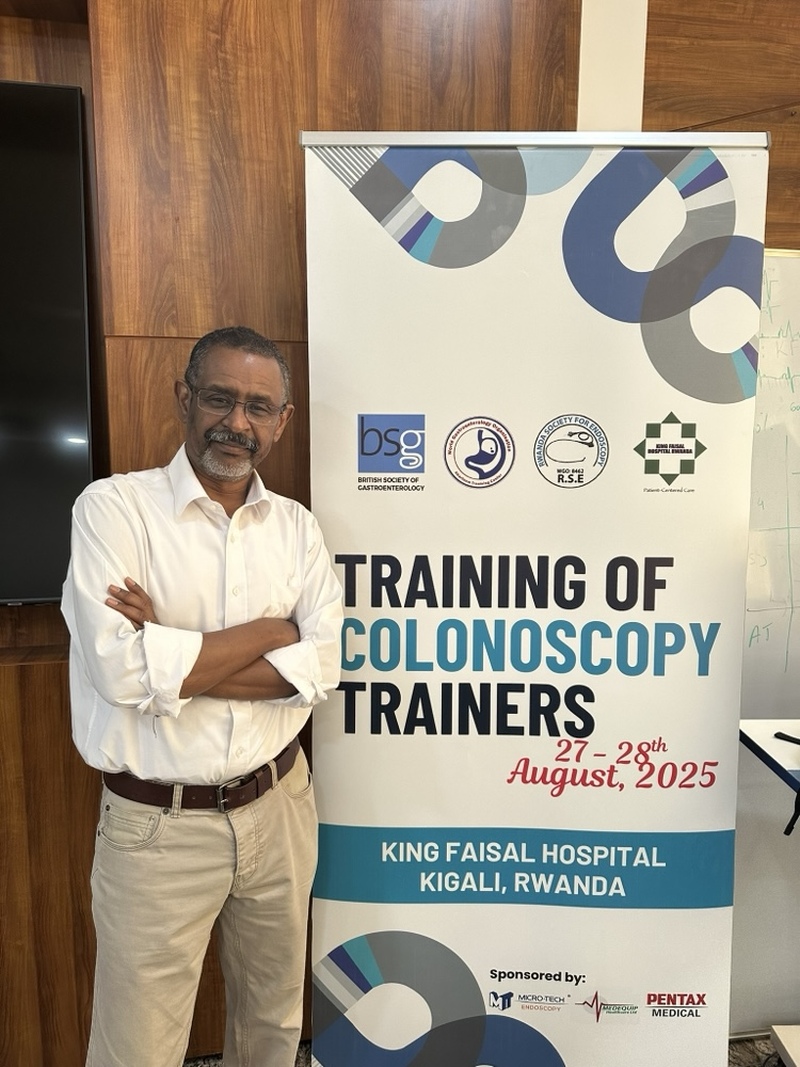
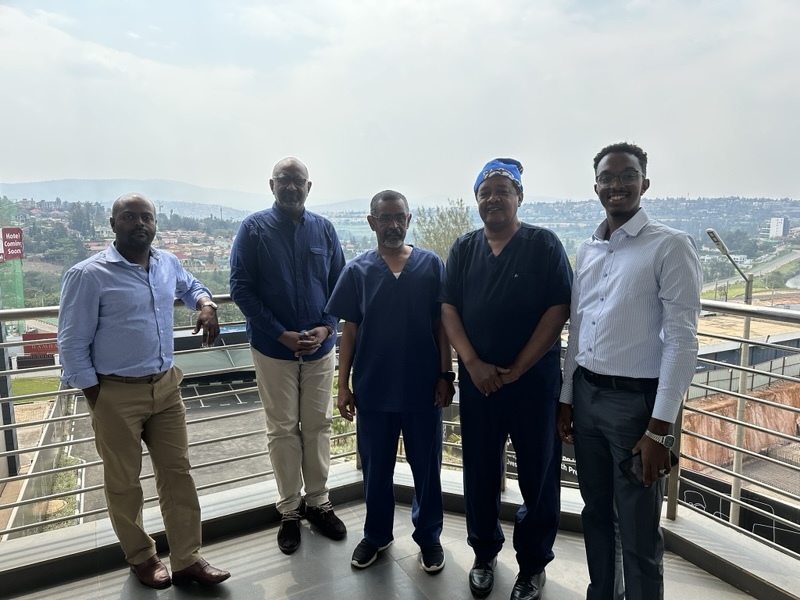
A BARNSLEY Hospital consultant has led a training mission in Rwanda to try and improve expertise across the country - and he says that he feels it’s his calling to do so.
Dr Elmuhtady Said has been working at Barnsley Hospital for almost two decades and is the clinical lead for endoscopy at the Gawber Road site.
He is also the current British Society of Gastroenterology (BSG) zonal lead for Sub-Saharan Africa, and under that guise he has travelled to areas such as Sudan to work and improve people’s lives.
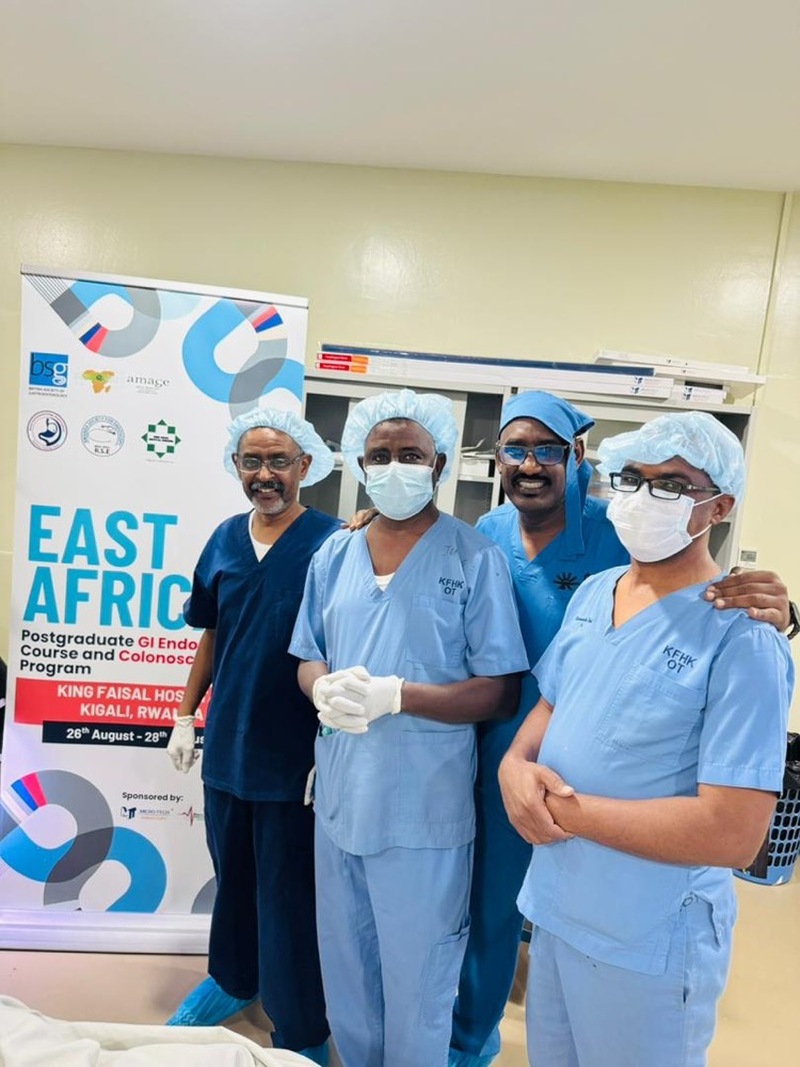
Last month he went on his latest pioneering endoscopy training mission to Kigali in Rwanda after being awarded a prestigious £10,000 international grant.
He built a team of nurses from Sheffield and Huddersfield hospitals and he said it was a success.
This mission reflects the BSG’s international commitment to advancing global gastroenterology standards and aligns with its strategic objective to support sustainable healthcare development in Sub-Saharan Africa.
Dr Said told the Chronicle: “In my role I have to address the training development in this part of the world.
“We have brief experience of doing this kind of work in Sudan, but we stopped because of the war.
“We thought of a different way of trying to continue our work and we applied for a £10,000 grant which we received.
“I invited four other consultants, three from Sheffield and one from Huddersfield, to travel to Rwanda and our aim was to train them to be dependable on themselves.
“We wanted to make it more impactful and so we also invited trainees from Sudan, Uganda and Kigali itself.
“For Barnsley’s local endoscopy unit, the initiative underscores its role as a leading partner in global training collaborations, enhancing its international reputation for excellence in education and clinical practice.”
Dr Said is hoping those he helped train will continue their work - and he’s planning to return on another mission in the near future.
He added: “Hopefully they will become trainers for their own trainees.
“We hope that it will improve patient care first and foremost.
“If they’re able to perform a quality procedure themselves, then that’s very important.
“Having the tools to make the accurate diagnosis will enable them to make the right decisions which will impact on the patients.
“We spent two days trying to inspect the hospital and to make sure the department was equipped with what we need.
“Then we spent three days on the course and the day after the course we went and saw the town.”
He says it’s a fulfilling mission and one that he hopes to continue doing.
“We want to see the impact of what we’ve done,” he added.
“We want to build upon that effort to make sure that what they’re doing is sustainable.
“Part of this, obviously, is to fulfil my commitment to develop and improve training in this part of the world.
“But also it’s a personal commitment.
“You always feel that you have to pay back.”